
Зміст
An entrance tunnel has one job: make people feel they have crossed into something different. At a trade show, that might mean leaving the aisle behind. At a concert, it might mean building anticipation before the main floor opens. In a flagship store, it might turn a product launch into a small journey.
Flexible LED screens are a natural fit for tunnel experiences because they can create curved or angled surfaces that surround the visitor instead of sitting on one wall.
Start With the Visitor Path
The best entrance tunnels are designed around movement. People do not stop and study every frame. They walk, glance, turn, and take out phones.
That means the screen layout should support a simple sequence: attract from outside, pull visitors in, build a visual moment, and release them into the main space. A tunnel does not need complex messaging. It needs rhythm, scale, and clarity.
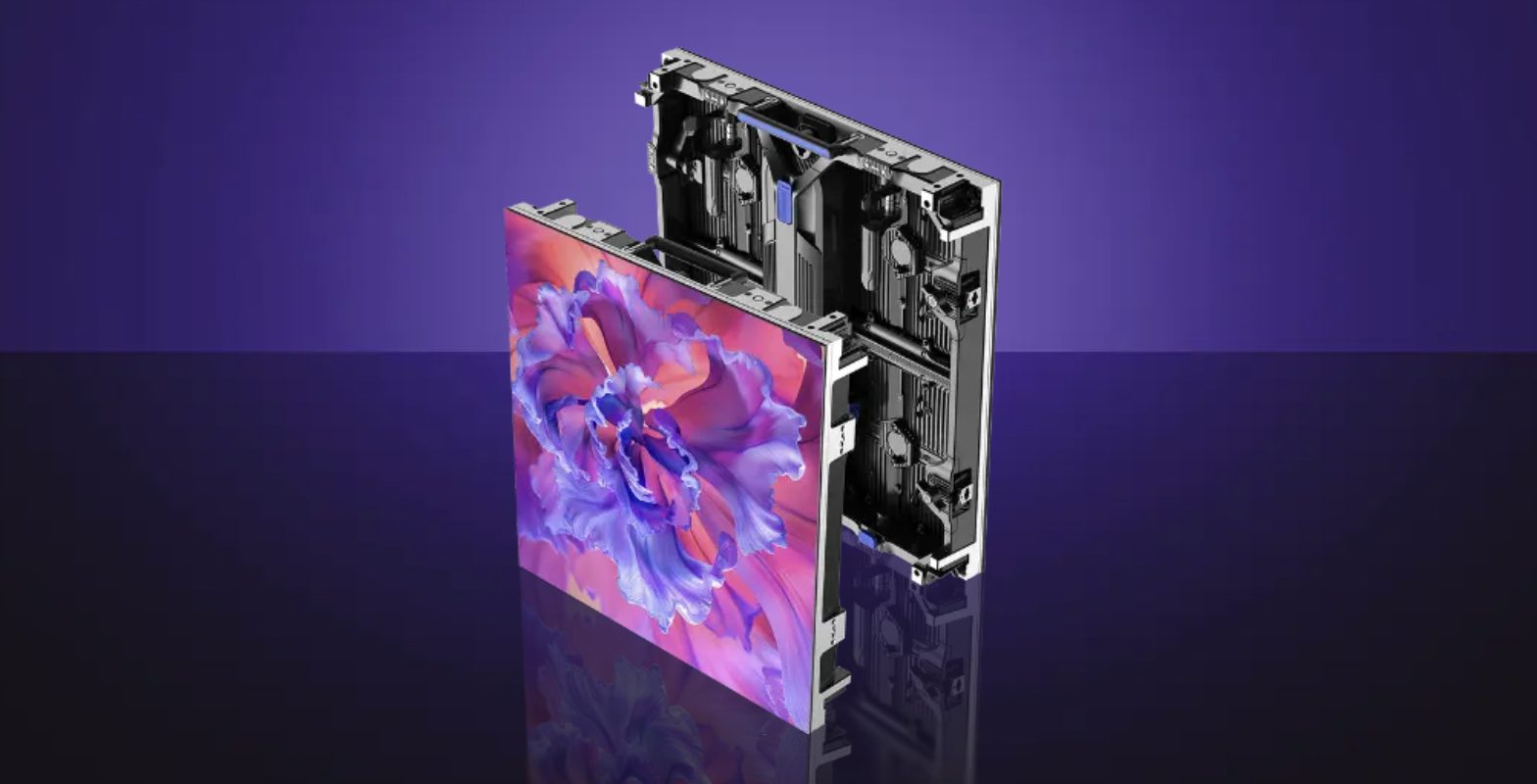
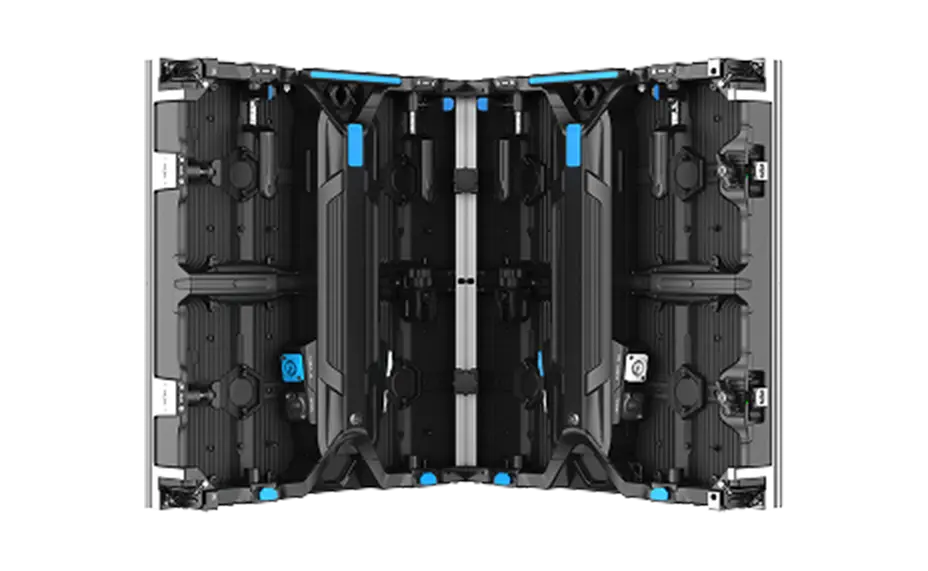
A product family such as a creative splicing rental LED display can be relevant when the entrance needs curved, right-angle, or staggered screen geometry for events.
Keep Text Short
Tunnel content should avoid long sentences. People moving through a tunnel rarely have time to read detailed claims. Large type, short phrases, product visuals, and motion cues work better.
If text is needed, place it where the viewer is naturally facing forward. Side walls and overhead sections are better for animation, texture, brand color, or environmental visuals.
Match Pixel Pitch to the Closest Viewer
In a tunnel, the viewer may be very close to the screen. Pixel pitch becomes important because a coarse display can look rough at close range. A tighter pitch may be needed for premium retail, luxury brand launches, or corporate events where guests will photograph the space.
At the same time, the budget should match the content. A tunnel made mostly of abstract motion may not need the same resolution as a tunnel showing detailed product imagery or typography.
Think About Cameras
Many immersive entrances are designed partly for social sharing. Phone cameras react differently to LED screens than human eyes do. Refresh rate, brightness, scan behavior, and content contrast can affect how the tunnel appears in photos and video.
IEEE research in display systems regularly notes that perceived quality depends on viewing conditions, motion, brightness, and geometry. For event teams, the practical lesson is simple: test the screen with the kind of camera guests will actually use.
Safety and Service Still Matter
Entrance tunnels can become crowded. The design must consider emergency exits, cable routing, structural stability, ventilation, and technician access.
The more immersive the display feels, the easier it is to forget the physical system behind it. That is a mistake. A tunnel is still a built environment with people walking through it.
For event producers who need a screen system that supports creative shapes without losing rental practicality, the Pilot Pro Series is worth reviewing during early concept planning.
A good LED entrance tunnel does not shout at visitors. It changes the pace of the room before they even realize it.