
Зміст
A home energy management system can serve the homeowner, but it can also help the grid. Demand response and virtual power plants use flexible loads and batteries to reduce stress during high-demand periods. The opportunity is real, but the rules matter.
Demand Response Starts With Flexibility
Demand response programs ask homes to reduce or shift energy use during grid events. A HEMS can adjust EV charging, battery discharge, HVAC timing, or other flexible loads. The DOE’s HEMS overview notes that these systems can support utility demand-response programs and reduce peak demand.
VPPs Coordinate Many Homes
A virtual power plant coordinates many small resources, such as batteries and smart devices, as if they were a larger grid asset. Homeowners may receive credits or incentives. The details vary by utility, aggregator, and equipment compatibility.
Backup Reserve Needs Protection
Smart energy control should let the homeowner preserve reserve before allowing grid dispatch. A household that bought a battery for outages may not want it emptied before a storm. Program rules should explain minimum reserve, event frequency, compensation, and opt-out rights.
Solar and Batteries Improve Flexibility
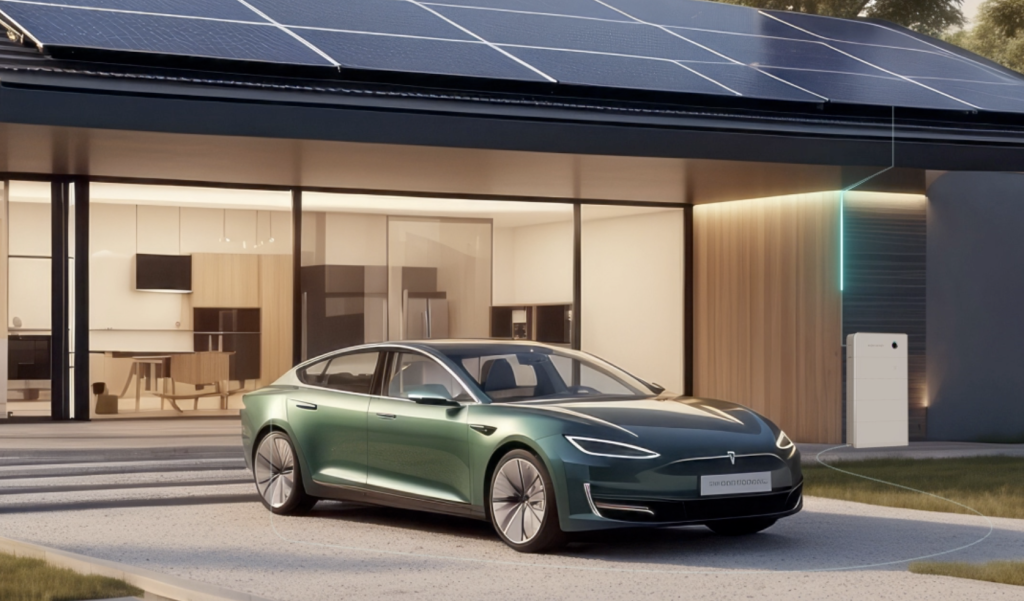
Solar-paired batteries may recharge after dispatch events, depending on weather and system settings. Flexible loads such as EV charging can also move to better hours. The more assets the HEMS coordinates, the more useful it can be.
Read Program Terms Carefully
Ask who controls the device, how events are communicated, how payments work, and how warranty terms treat extra cycling. Homeowners comparing Sigenergy smart home solution should look for clear control settings and event visibility.
A strong proposal should also include a simple operating story. What happens on a normal weekday, during a peak-rate evening, when solar production is high, and when the grid goes down? These examples are easier to understand than a feature list and reveal whether the system is truly coordinated.
The assumptions should be written down: connected devices, controllable loads, battery reserve settings, utility rate logic, solar behavior, app permissions, and any incentive or demand-response rules. According to NREL and DOE materials on residential energy management, configuration and control are central to real-world value, not optional extras.
Homeowners should also think about future loads. A second EV, a heat pump, an induction range, or a larger battery can change the energy profile quickly. A HEMS that cannot adapt may feel outdated just as the home becomes more electric.
Finally, usability matters. The best energy management system should make choices visible and adjustable without turning the homeowner into a full-time operator. Clear modes, plain alerts, and understandable energy flows help build trust.
The installer should explain the difference between monitoring and control. Monitoring tells the homeowner what happened; control changes what happens next. A system that only reports energy use may still be useful, but it should not be sold as full automation if it cannot schedule loads, protect battery reserve, or respond to rate signals.
It is also worth asking how the system behaves when internet service is down. Some features may depend on cloud access, while basic backup or local controls may continue. That distinction matters during storms, when the same outage that affects the grid can also disrupt broadband service.
A HEMS should be judged against the household’s actual routines. A remote worker with daytime solar access, a commuter who charges an EV at night, and a family with medical equipment all need different priorities. The strongest systems make those priorities explicit instead of forcing every home into the same default mode.
Cost discussions should include avoided upgrades as well as direct savings. In some homes, better load coordination may reduce simultaneous peaks and make electrification easier. In others, the main value may be backup confidence, clearer energy data, or making solar and battery equipment easier to use.
Support is another practical checkpoint. The homeowner should know who services the system, who updates the software, and who handles a mismatch between the battery, charger, inverter, or utility program. Energy management touches several parts of the home, so clear support responsibility matters.
VPP participation can be attractive, but the home own resilience and comfort should stay first.